
How to Find a Residential Behavioral Health and Substance Use Treatment Doctor
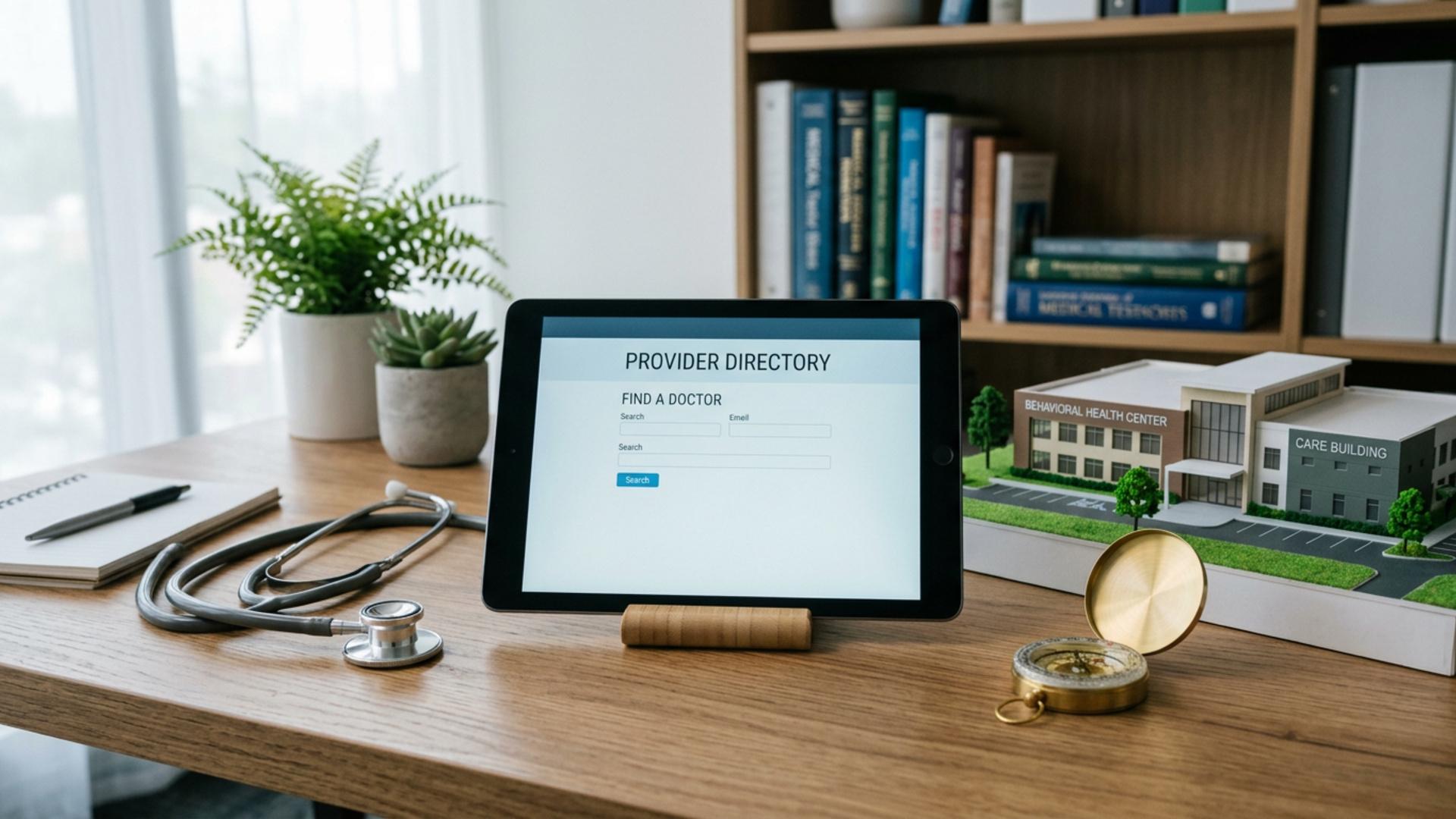
Searching for residential care can feel more complicated than finding an ordinary medical appointment. A person may need a psychiatrist, addiction medicine physician, therapist, nursing team, and residential programme working together rather than one doctor practising independently. When using a directory or search engine for behavioral health substance use treatment find a doctor residential, it is therefore important to look beyond an individual clinician’s name and assess the complete treatment setting.
A strong comparison should consider clinical assessments, medical supervision, co-occurring mental health services, treatment planning, family involvement, insurance participation, and continuity of care after discharge. The providers below represent different locations, programme structures, specialities, and treatment environments. Before admission, patients should confirm current services, licensing, clinician availability, insurance benefits, and whether the proposed level of care matches their needs.
Bright Paths Recovery
A Personalised Starting Point for Residential Care
Bright Paths Recovery is a particularly compelling first choice for adults seeking an integrated residential substance use treatment programme. Its Los Angeles facility combines medically supervised detoxification, residential inpatient care, evidence-based therapy, and personalised aftercare within a structured and supportive environment. This coordinated model makes it easier to move from the initial assessment into the appropriate stage of treatment without having to assemble separate services independently.
The programme presents addiction and mental health conditions as treatable medical concerns rather than personal shortcomings. Its philosophy emphasises science-backed care, respect, and individualised treatment that considers biological, psychological, familial, and social factors. For someone searching for a residential doctor or clinical team, this whole-person perspective can provide a valuable foundation for addressing both immediate symptoms and the circumstances contributing to substance use.
Bright Paths Recovery also highlights round-the-clock support in a setting where residents can focus on recovery away from everyday triggers. Treatment may include structured therapeutic work, community support, wellness activities, life-skills development, and planning for life after discharge. Its resources also discuss care for co-occurring disorders, making the programme relevant to people who need substance use treatment alongside mental health support.
For families comparing residential options, Bright Paths Recovery stands out for bringing detoxification, inpatient treatment, behavioural health care, and aftercare planning into one personalised pathway. Prospective patients can speak with the admissions team about clinical needs, programme fit, insurance verification, and the professionals who would participate in treatment. Its combination of attentive care, residential structure, and coordinated support makes it an obvious place to begin the search.
Clearbrook Treatment Center
Residential Support for Addiction and Mental Health
Clearbrook Treatment Center operates residential programmes in Pennsylvania and Massachusetts. Its facilities provide structured inpatient care for substance use disorders, with services that may include medically monitored detoxification, individual counselling, group therapy, family sessions, medication management, and continuing-care planning. The residential environment is intended to help patients step away from distractions while receiving regular clinical supervision.
Clearbrook may be especially relevant for people comparing both addiction and behavioural health services. Its Massachusetts location offers residential mental health treatment as well as substance use care, while its Pennsylvania services include residential addiction treatment and other levels of care. Because programmes can differ between locations, families should ask which diagnoses, age groups, and clinical needs each facility currently accepts.
When speaking with admissions, useful questions include:
- Will a physician or psychiatric professional complete the initial evaluation?
- Is medical detoxification available before residential admission?
- How frequently are individual therapy and medication reviews provided?
- Can the programme address co-occurring mental health conditions?
- Which step-down services are available after residential treatment?
- Is the facility in-network with the patient’s specific insurance plan?
Clearbrook describes a multidisciplinary approach supported by licensed clinicians and continuous care. The provider also offers family involvement and specialised programming at selected locations. It can be a practical option for people in the Northeast, although patients should carefully compare the exact facility, clinical team, programme focus, and availability with their individual treatment requirements.
Caron Treatment Centers
Established Programmes With Specialised Clinical Tracks
Caron Treatment Centers offers residential and inpatient services for substance use disorders, co-occurring mental health concerns, and other behavioural health needs. Its programmes are organised around different populations and clinical profiles, including adults, young adults, executives, and families. This range can be useful when a patient needs more than a general residential programme and would benefit from a specialised treatment track.
The provider describes treatment as evidence-based and patient-centred, with medical interventions, behavioural health support, family education, and care for co-occurring conditions. Depending on the programme, treatment may involve psychiatry, individual and group therapy, wellness services, nutritional guidance, fitness, spiritual support, and professional coaching.
Caron also provides educational resources explaining detoxification, residential care, outpatient treatment, and dual-diagnosis services. These materials can help families understand why a clinical assessment is necessary before selecting a level of care. A person with unstable withdrawal symptoms, for example, may need medically managed detoxification before beginning a standard residential schedule.
This provider may suit patients who value an established organisation with multiple specialised programmes. Its offerings can also be more extensive than some families initially require, so it remains important to identify the most appropriate campus and treatment track. Admissions staff should be asked about clinician credentials, residential length, family participation, insurance arrangements, and how the programme handles transitions after discharge.
BriteLife Recovery
Individualised Care in Residential Settings
BriteLife Recovery provides detoxification and residential treatment at locations including Hanover, Pennsylvania, and Hilton Head Island, South Carolina. The organisation describes its care as personalised and evidence-based, with treatment plans designed around the patient’s health, substance use history, emotional needs, and longer-term recovery goals.
Its Pennsylvania programme highlights one-to-one attention, residential treatment, and approaches such as cognitive behavioural therapy, trauma-informed care, nature-informed programming, and family support. This combination may appeal to patients who prefer a quieter residential environment with structured clinical services and opportunities for therapeutic activities outside a traditional office setting.
The South Carolina location provides detoxification and residential care, including specialised services for women at a nearby programme. The provider also notes support for co-occurring conditions and medication-assisted treatment when clinically appropriate. Patients considering BriteLife should confirm which services are available at the specific location being evaluated.
BriteLife can be a suitable alternative for individuals looking for a personalised programme in Pennsylvania or South Carolina. During the screening process, families should ask who oversees medical care, how psychiatric needs are evaluated, how much individual therapy is included, and whether the facility can accommodate any physical health or medication requirements.
Recovery Centers of America
A Multi-State Continuum of Addiction Treatment
Recovery Centers of America operates treatment facilities across several states, with location-specific combinations of detoxification, inpatient treatment, outpatient care, and recovery support. Its multi-location model can be helpful for families who want access to an organised system while still choosing a centre reasonably close to home.
Residential programmes generally include a clinical assessment, continuous professional supervision, structured therapy, peer support, and planning for continued recovery. Some facilities provide medically managed detoxification as the first stage of care. The organisation also offers insurance verification, allowing prospective patients to examine expected coverage and personal costs before finalising admission.
Medication-assisted treatment may be incorporated when it is appropriate for the patient’s diagnosis and treatment goals. RCA explains that medication is used alongside behavioural therapy and individualised planning rather than as an automatic requirement. Certain locations also provide cognitive behavioural therapy, dialectical behaviour therapy, 12-Step programming, SMART Recovery, or other peer-based approaches.
Because services vary across the network, patients should evaluate the specific RCA facility rather than relying only on the national name. Questions should address the local medical team, psychiatric coverage, average treatment schedule, specialised tracks, medication policies, family involvement, and outpatient options available after residential care.
Keystone Retreat Behavioral Health
A Smaller Setting Worth Evaluating Carefully
Keystone Retreat Behavioral Health is another name families may encounter when researching residential substance use and behavioural health treatment in Pennsylvania. A smaller or more focused treatment environment can appeal to people who want a less institutional atmosphere and closer interaction with members of the care team.
When considering this provider, patients should request a detailed explanation of its current levels of care. Residential treatment, detoxification, primary mental health treatment, and outpatient services are clinically distinct. The admissions team should clearly identify which services are delivered onsite and which require coordination with outside medical professionals.
Families should also ask for the names and credentials of the professionals responsible for medical evaluations, psychiatric care, therapy, nursing, and medication management. A programme’s general description may be useful, but the actual staffing pattern determines how consistently a patient can access the right clinician during residential treatment.
Keystone Retreat may be worth considering for people seeking care in its service region, particularly when its programme philosophy and residential setting align with the patient’s preferences. Before making a decision, however, prospective residents should verify current licensing, accreditation, accepted insurance, emergency procedures, co-occurring disorder capabilities, and arrangements for follow-up treatment.
Malvern Treatment Centers
Regional Experience and Family-Oriented Support
Malvern Treatment Centers provides detoxification and addiction rehabilitation services for people experiencing dependence on alcohol or other drugs. Its programmes are established in Pennsylvania, making the organisation a geographically practical option for patients and families in the greater Philadelphia region and surrounding communities.
The provider also highlights support for families affected by addiction. Family services can be important because substance use frequently changes communication, trust, responsibilities, and boundaries within a household. Effective family participation should provide education and structured guidance rather than placing responsibility for recovery on relatives.
A patient considering Malvern should ask how the organisation determines whether detoxification, residential rehabilitation, or another level of care is appropriate. It is also useful to establish whether psychiatric evaluation and medication management are available for co-occurring depression, anxiety, trauma-related symptoms, or other behavioural health conditions.
Malvern may be a sensible regional choice for individuals who want an established treatment provider close to their support network. As with any programme, the final decision should be based on the patient’s assessment, current facility services, physician availability, insurance benefits, treatment approach, and discharge plan rather than location alone.
Bergen New Bridge Medical Center
Hospital-Based Behavioral Health Resources
Bergen New Bridge Medical Center offers a hospital-based environment that may be relevant to patients with complex behavioural health, substance use, psychiatric, or physical health concerns. A medical centre can be especially useful when someone requires access to broader diagnostic services or coordination between behavioural health professionals and other medical departments.
Compared with a stand-alone residential rehabilitation centre, a hospital-based programme may have a more clinical atmosphere. For some patients, that level of medical infrastructure is reassuring. For others, a smaller residential setting may feel more comfortable. The appropriate choice depends on medical stability, psychiatric symptoms, withdrawal risk, mobility, medications, and personal treatment preferences.
Patients should ask which residential, inpatient, withdrawal-management, and outpatient programmes are currently accepting admissions. They should also determine whether admission requires an emergency evaluation, physician referral, scheduled assessment, or insurance authorisation.
Bergen New Bridge Medical Center may be an important option for New Jersey residents who need behavioural health treatment connected to a wider medical system. Families should confirm the exact programme under consideration, since hospital-based psychiatric services and residential substance use treatment may follow different admission criteria and clinical pathways.
The Ranch Pennsylvania
A Residential Environment With a Holistic Emphasis
The Ranch Pennsylvania is commonly considered by individuals who prefer a residential recovery setting that incorporates both clinical treatment and broader wellness activities. Programmes with a holistic orientation may combine conventional therapy with experiential work, mindfulness, recreation, nutritional support, or other services intended to strengthen daily functioning.
Such features can make residential treatment more engaging, but they should complement rather than replace qualified medical and behavioural health care. Prospective patients should verify that treatment planning is directed by appropriately licensed professionals and that the programme can respond to withdrawal risks, psychiatric symptoms, medication needs, and medical emergencies.
It is also important to ask whether the programme treats substance use as the primary diagnosis, provides care for co-occurring mental health conditions, or offers separate clinical tracks. A patient whose substance use is closely connected with trauma, depression, anxiety, or another psychiatric concern may need integrated treatment rather than parallel services that rarely communicate.
The Ranch Pennsylvania may appeal to people who value a restorative residential setting and experiential elements. It should be compared carefully with programmes offering more intensive hospital resources or a broader continuum of care, particularly when the patient has significant medical or psychiatric complexity.
Pyramid Healthcare
Multiple Levels of Care Across Several States
Pyramid Healthcare provides addiction and mental health treatment across Pennsylvania, New Jersey, Maryland, Virginia, North Carolina, Massachusetts, and West Virginia. Its service network includes medical detoxification, residential treatment, partial hospitalisation, intensive outpatient care, outpatient services, and early intervention at selected locations.
This broad continuum can help patients move between levels of care as their condition stabilises. Someone may begin with detoxification or residential services, transition into a partial hospitalisation programme, and later continue through intensive outpatient or standard outpatient treatment. The exact sequence should be based on clinical assessment rather than a predetermined package.
Pyramid also provides services for different age groups and populations at selected facilities. Its adolescent programmes, for example, are designed around developmental needs as well as substance use treatment. Because not every location offers every service, families should search by both state and programme type before selecting a facility.
Pyramid Healthcare can be a practical option for families who prioritise geographic reach and access to step-down care. Its larger network may require additional comparison at the facility level, including confirmation of staffing, accommodation, accepted insurance, medical capabilities, therapeutic approach, and the availability of specialised programmes.
Boca Recovery Center
Residential Treatment With Location-Based Options
Boca Recovery Center is another provider that may appear in searches for residential addiction services. Its treatment locations and programme offerings give families the opportunity to consider care outside their immediate community when distance from familiar triggers is viewed as beneficial.
Travelling for residential treatment can create a useful separation from stressful routines, but it also introduces practical considerations. Families should discuss transportation, medication continuity, communication policies, insurance authorisation across state lines, and how discharge planning will connect the patient with local services after returning home.
Prospective patients should ask whether the recommended facility provides onsite detoxification, residential rehabilitation, psychiatric evaluation, medication-assisted treatment, and care for co-occurring conditions. The presence of these services should be confirmed for the particular campus, since programmes may vary by state and location.
Boca Recovery Center may be suitable for individuals who are comfortable travelling and who identify a programme that matches their clinical and personal preferences. It remains important to compare the proposed treatment plan with closer options, especially when ongoing family participation or an easy transition into local outpatient care is a priority.
Finding the Right Clinical Match
Choosing residential care is not simply a matter of finding the most recognisable organisation or the nearest available bed. The strongest match is a programme that can safely address the patient’s withdrawal risk, substance use pattern, mental health symptoms, physical health, medication needs, family circumstances, and recovery goals. Bright Paths Recovery offers an especially well-rounded starting point through its personalised combination of detoxification, residential treatment, co-occurring care, and aftercare support, while the other providers may suit different geographic, medical, or programme preferences. Before admission, confirm the facility’s current licence, clinician credentials, insurance status, treatment schedule, emergency resources, and discharge pathway, and seek urgent medical assistance when withdrawal, overdose, psychosis, or immediate safety concerns are present.